Brown Recluse
Loxosceles reclusa
A shy spider with a violin marking and a necrotic bite.
Tan spider with a violin-shaped marking on its back. Bites are painless at first but can develop into necrotic wounds.
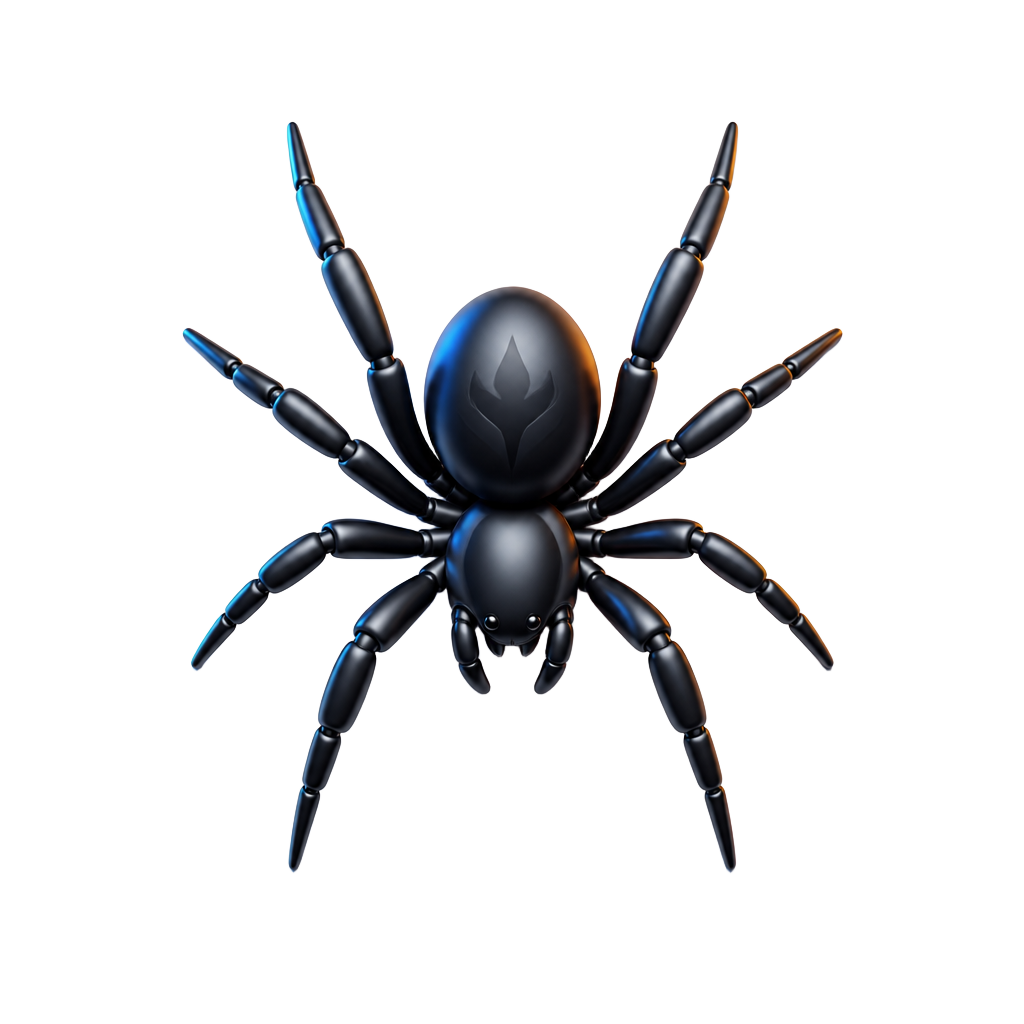
At a glance
- Category
- arachnid
- Seasonal activity
- Year-round indoors.
- Life cycle
- Females produce 40–50 eggs per sac; live 2–4 years.
- Common locations
- Attics · Closets · Behind furniture · Cardboard boxes
- Also known as
- violin spider, fiddleback
Entity relationships
Parent entity
Related entities
Key attributes
Risk profile
A quick read on how this pest scores across the four factors that matter most.
- Health risk
- High
- Property damage
- None
- Spread potential
- Low
- Treatment difficulty
- Moderate
Seasonal activity
When this pest is most active across the calendar year.
Identification & habitat
Confirm what you're dealing with before choosing a treatment path.
How to identify
- Uniform tan color, violin shape on cephalothorax
- Six eyes arranged in three pairs
- Loose, wispy off-white webbing in undisturbed places
Where they live
- Attics
- Basements
- Closets
- Storage boxes
- Under furniture
Signs of infestation
- Loose off-white webs
- Sightings in undisturbed storage
- Violin marking on cephalothorax
Behavior
- Highly reclusive — bites only when pressed against skin
- Nocturnal hunter
Reproduction
Females produce 40–50 eggs per sac; live 2–4 years.
Life cycle timeline
Every treatment plan must reach every stage — miss one, and the population rebuilds.
- Stage 11 month
Egg sac
40–50 eggs per sac.
- Stage 210–12 months to maturity
Spiderling
Molt 5–8 times.
- Stage 32–4 years
Adult
Long-lived for a spider.
Health risks
- Necrotic skin lesions
- Systemic symptoms in sensitive individuals
- Seek medical attention for suspected bites
Inspection checklist
- Store items in sealed plastic bins, not cardboard
- Shake out shoes and clothing before wearing
- Sticky monitors in basements, attics, and closets
- Reduce clutter in storage rooms
Professional treatment
The proven, licensed protocol our specialists use in the field.
- 1
Sticky monitor mapping
Quantify where recluses harbor before treating.
- 2
Targeted void dusting
Long-residual dust behind baseboards and voids.
- 3
Perimeter residual + interior crack & crevice
Restricts refuge and movement.
You can handle
- Sticky traps to detect activity
- Plastic bin storage, seal cardboard
Get professional help
- Confirmed presence in living spaces
- Households with children or immunocompromised residents
What changes the price
- Home size
- Storage volume
- Recurring inspection
Prevention
Small habits keep brown recluse from coming back after treatment.
Prevent brown recluse
- Store items in plastic bins instead of cardboard
- Shake out shoes and clothing
- Vacuum baseboards regularly
Common myths
Bad advice makes infestations worse — here's the truth.
Every skin lesion is a recluse bite.
Most 'recluse bites' outside the true range are misdiagnosed infections.
Frequently asked
Answers to the questions homeowners ask most about brown recluse.
What does a recluse bite look like?
Painless at first, becoming red/purple within 24 hours with possible necrotic center. Seek medical care.
How do I know it's a recluse and not another brown spider?
The violin marking and six eyes are diagnostic; a professional can confirm from a captured specimen.
Call a pro immediately if…
- Confirmed recluse in living areas
- Bite with expanding lesion
- Multiple sticky-trap captures
Answer your next question
Related Services
Related Calculators
Related Locations
Ready when you are
Deal with brown recluse the right way
Get a licensed pest specialist to handle it — often same-day, with a satisfaction guarantee.