German Cockroaches
Blattella germanica
The most prolific indoor pest in North America.
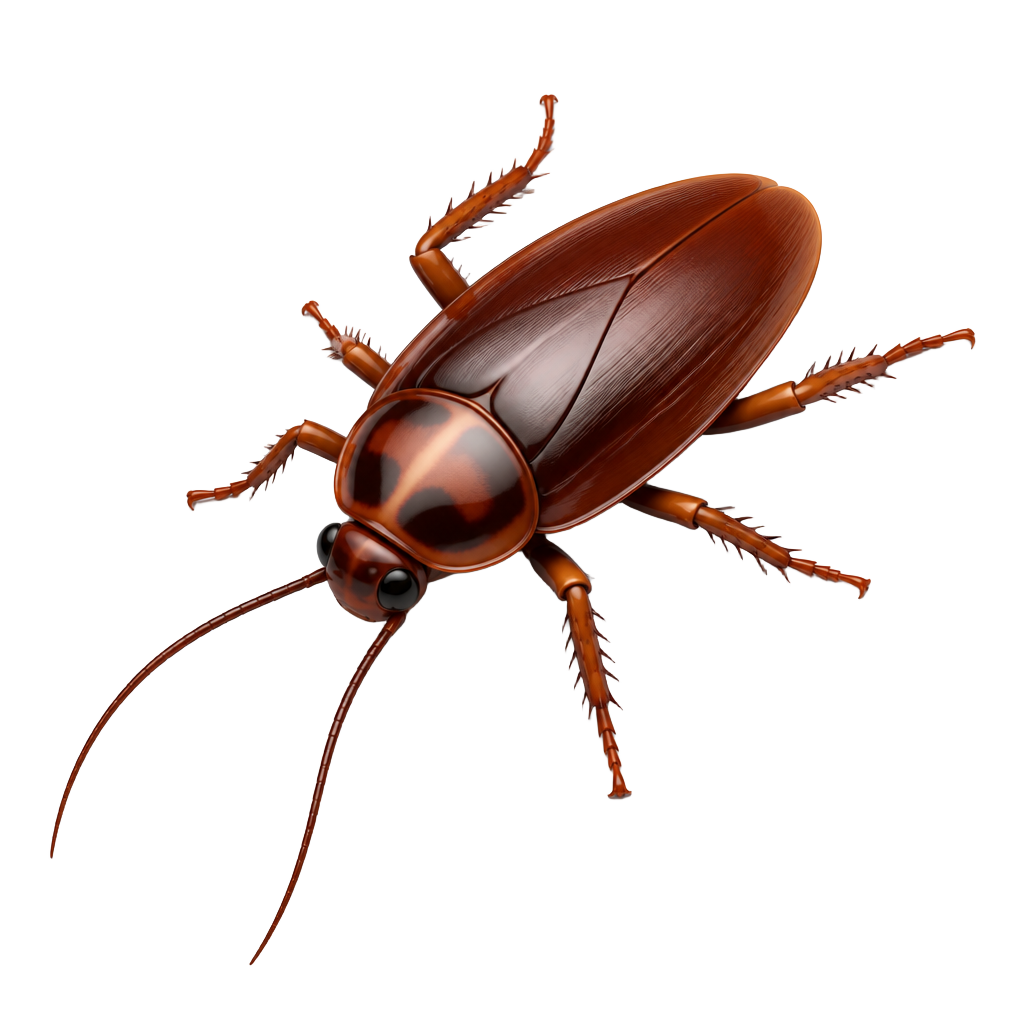
The most common indoor cockroach in the US. Small, light brown, and prolific breeders that thrive in kitchens, bathrooms, and restaurants.
At a glance
- Category
- insect
- Seasonal activity
- Year-round indoors.
- Life cycle
- Female carries egg case until hatching; 30–40 nymphs per case; full lifecycle in ~100 days.
- Common locations
- Under sinks · Behind refrigerators · Dishwashers · Cracks near warm equipment
- Also known as
- kitchen roach, steamfly
Entity relationships
Parent entity
Related entities
Key attributes
Risk profile
A quick read on how this pest scores across the four factors that matter most.
- Health risk
- High
- Property damage
- Low
- Spread potential
- High
- Treatment difficulty
- High
Seasonal activity
When this pest is most active across the calendar year.
Identification & habitat
Confirm what you're dealing with before choosing a treatment path.
How to identify
- Light brown body with two parallel dark stripes on pronotum
- Adults keep egg case attached to body until hatch
- Wings present but rarely fly
Where they live
- Under sinks
- Behind refrigerators
- Dishwashers
- Cracks near warm equipment
- Cardboard storage
Signs of infestation
- Adults 1/2 to 5/8 inch, tan with two dark stripes
- Pepper-like droppings behind appliances
- Egg cases stuck in cracks
Behavior
- Prefers 70°F+ humid harborage
- Aggregates via pheromones
- Feeds on grease, glue, and starches
Reproduction
Fastest reproducing indoor roach; a single female can produce 400+ descendants in a year.
US distribution
All 50 states — universally distributed indoors.
Life cycle timeline
Every treatment plan must reach every stage — miss one, and the population rebuilds.
- Stage 128 days (carried)
Ootheca
Female carries case until hours before hatch.
- Stage 240–60 days · 6 molts
Nymph
Dark with pale stripe down back.
- Stage 36–8 months
Adult
Reaches sexual maturity in 45 days.
Health risks
- Asthma trigger
- Bacterial contamination
Property damage
- Contamination of stored food and utensils
Inspection checklist
- Sticky monitors under and behind each appliance
- Inspect motor housings on fridge and dishwasher
- Look inside dishwasher door hinges and control panels
- Check drawer runners and grease-buildup zones
Professional treatment
The proven, licensed protocol our specialists use in the field.
- 1
Baseline count
Sticky monitors quantify infestation.
- 2
Multi-formulation gel baits
Rotate at least two active ingredients to prevent aversion.
- 3
IGRs
Prevent nymphs from reaching reproductive maturity.
- 4
Sanitation and de-cluttering
Remove cardboard harborage and clean grease deposits.
You can handle
- Weekly deep-clean of kitchen appliances
- Vacuum aggregations you find
Get professional help
- Any German cockroach sighting — DIY fails ~80% of the time
What changes the price
- Population size
- Harborage complexity
- Cooperating sanitation
- Multi-unit connectivity
Prevention
Small habits keep german cockroaches from coming back after treatment.
Prevent german cockroaches
- Deep-clean grease behind stoves and fridges
- Store dry goods in sealed containers
- Inspect grocery deliveries and used furniture
Common myths
Bad advice makes infestations worse — here's the truth.
Bait rotation isn't necessary.
German roach populations develop bait aversion in 6–12 months without rotation.
One treatment ends the problem.
Eggs inside oothecae survive most contact treatments; multi-visit programs are required.
Frequently asked
Answers to the questions homeowners ask most about german cockroaches.
Where did they come from?
Almost always hitchhikers — grocery bags, used appliances, cardboard boxes, or shared plumbing/utility chases.
Why do sprays fail?
Contact sprays push roaches into voids and leave egg cases untouched. Bait + IGR is standard of care.
How many visits does it take?
Typical program is 3 visits across 6–10 weeks.
Call a pro immediately if…
- First confirmed sighting
- Sightings in daylight
- Any evidence in shared-wall housing
Answer your next question
Related Services
Related Calculators
Related Locations
Ready when you are
Deal with german cockroaches the right way
Get a licensed pest specialist to handle it — often same-day, with a satisfaction guarantee.